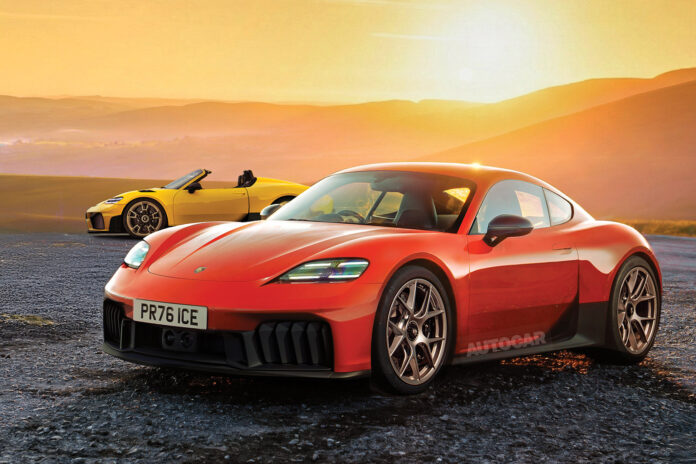
Porsche insiders stress that, to be viable, the new fifth-generation ICE models must achieve dynamic parity with their electric siblings – a high bar, given what they described as an “ultra-low centre of gravity” provided by the electric architecture.
Achieving that will be no small task. The PPE Sport platform uses a stressed, load-bearing battery pack and a flat floor, so removing the battery would significantly weaken the entire bodyshell.
As a result, the proposal from Porsche engineers centres on developing a new structural floor section that bolts into the platform’s existing hard points, effectively adding the rigidity back in. A redesigned rear bulkhead and subframe will then support the engine and transmission, Autocar has been told.
Major packaging constraints remain, not least because the electric structure provides no central tunnel, nor provision for a fuel tank, fuel lines or exhaust system. Engineers suggest these measures require the development of a completely new rear section because the architecture was never designed for a petrol engine.
Porsche had previously determined that its naturally aspirated 4.0-litre flat six would not survive under the EU’s original Euro 7 emissions proposal, which required oversized particulate filters and after-treatment hardware. But the diluted final regulation, together with the EU’s post-2035 e-fuel exemption, now makes a business case for new petrol-powered sports cars viable.
One senior engineer told Autocar: “The electric Boxster and Cayman risked becoming a niche. Euro 7 changed the arithmetic.”
Which engine will be used by the new models is still being decided. However, new plans presented by outgoing Porsche CEO Oliver Blume suggest the leading candidate is a development of the 4.0-litre flat six, which was introduced to the 718 in 2020 and could make up to 493bhp in the GT4 RS.

